
Tokyo : Japan, once seen as a global economic powerhouse poised to challenge the United States, is now grappling with its worst inflation crisis in decades, falling behind even emerging economies like India. In a dramatic shift on the global economic stage, India has overtaken Japan to become the world’s fourth-largest economy, while Japan’s economic woes continue to deepen.
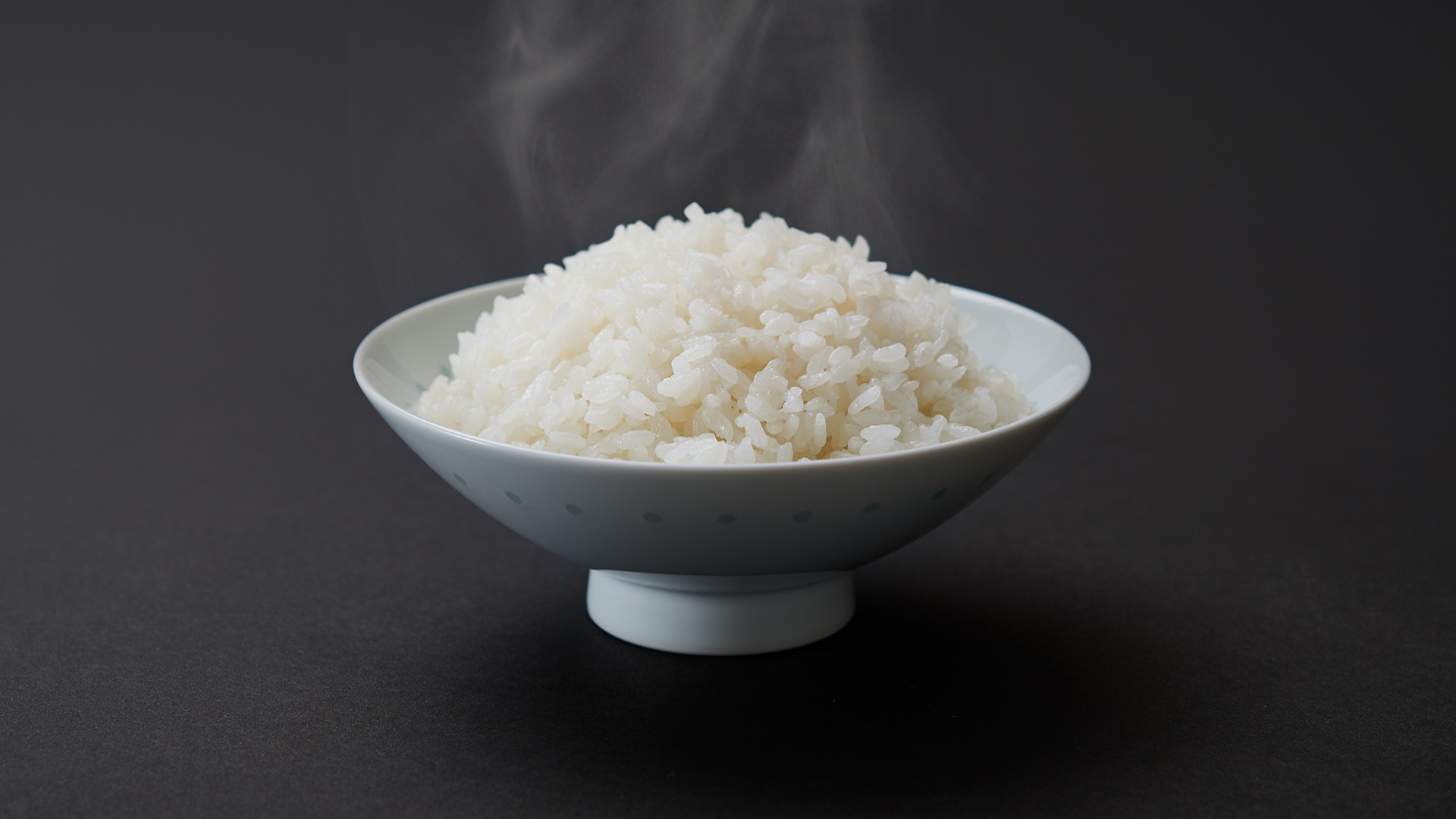
The most alarming indicator of this crisis is the unprecedented rise in rice prices, a staple in the Japanese diet. According to the latest data, rice prices surged by 98.4% in April compared to the same period last year — the sharpest monthly increase since 1971. This follows a 92.1% year-on-year rise recorded in March. Simultaneously, energy prices climbed by 9.3%, contributing to an overall inflation rate of 3.5% in April, up from 3.2% in March.
Japan has now recorded inflation above 3% for five consecutive months, an anomaly in a country that has battled decades of deflation.
Key Drivers of the Crisis
Several factors have led to this steep surge in prices:
-
Poor weather conditions in 2023 severely impacted rice production, leading to a shortage.
-
A record influx of tourists post-COVID has drastically increased domestic rice consumption.
-
Although the government attempted to stabilize the market by releasing emergency rice reserves, this measure has failed to cool prices.
Economy Shrinks in Q1 2025
To add to the pressure, Japan’s economy contracted by 0.7% in the first quarter of 2025, marking the first economic decline since early 2024. This downturn, coupled with rising inflation, has raised concerns of stagflation — a rare and dangerous combination of economic stagnation and price rise.
Japan vs Germany: A Tale of Two Economies
Japan’s struggles stand in stark contrast to Germany, another major economy with its own set of challenges. Despite losing its position as the world’s third-largest economy to Germany, the comparison between the two nations reveals key differences:
-
Policy Interest Rate:

-
Japan: 0.50%
-
Germany: 2.25%
-
-
Debt-to-GDP Ratio:
-
Japan: 250%
-
Germany: 62%
-
Despite Japan’s massive debt burden and near-zero interest rates, both countries currently have a 3.1% yield on their 30-year government bonds, reflecting investor caution and structural issues.
From Rocket Growth to Economic Paralysis
In the 1980s, Japan was considered the most likely candidate to overtake the U.S. economy. However, the asset bubble burst in the early 1990s plunged the country into a long-term economic slump, often referred to as the “Lost Decades”. For over 25 years, Japan has struggled with deflation, low growth, and demographic challenges.
In a startling statement, Prime Minister Shigeru Ishiba recently admitted that Japan’s economic situation is now worse than that of Greece, a country that has been synonymous with financial crises for over a decade.
As inflation spirals and the economy shrinks, Japan faces a pivotal moment. Without bold reforms and targeted interventions, the country risks a deeper economic decline — one that could reshape its role on the global stage for years to come.